
Citypedia
Your city, decoded.
A city guide that finds places by what they actually have: Wi-Fi, outdoor seating, a big screen, a quiet corner. No location history and no tracking. Built on OpenStreetMap, so your corrections help everyone.
- 450+
- Categories
- 12
- Languages
- Worldwide
- Coverage
- Free
- Price
What makes it different
Built for how people actually pick a place.
Most map apps tell you what a place is called. Citypedia tells you what it is like inside, and lets you put it right when it is wrong.
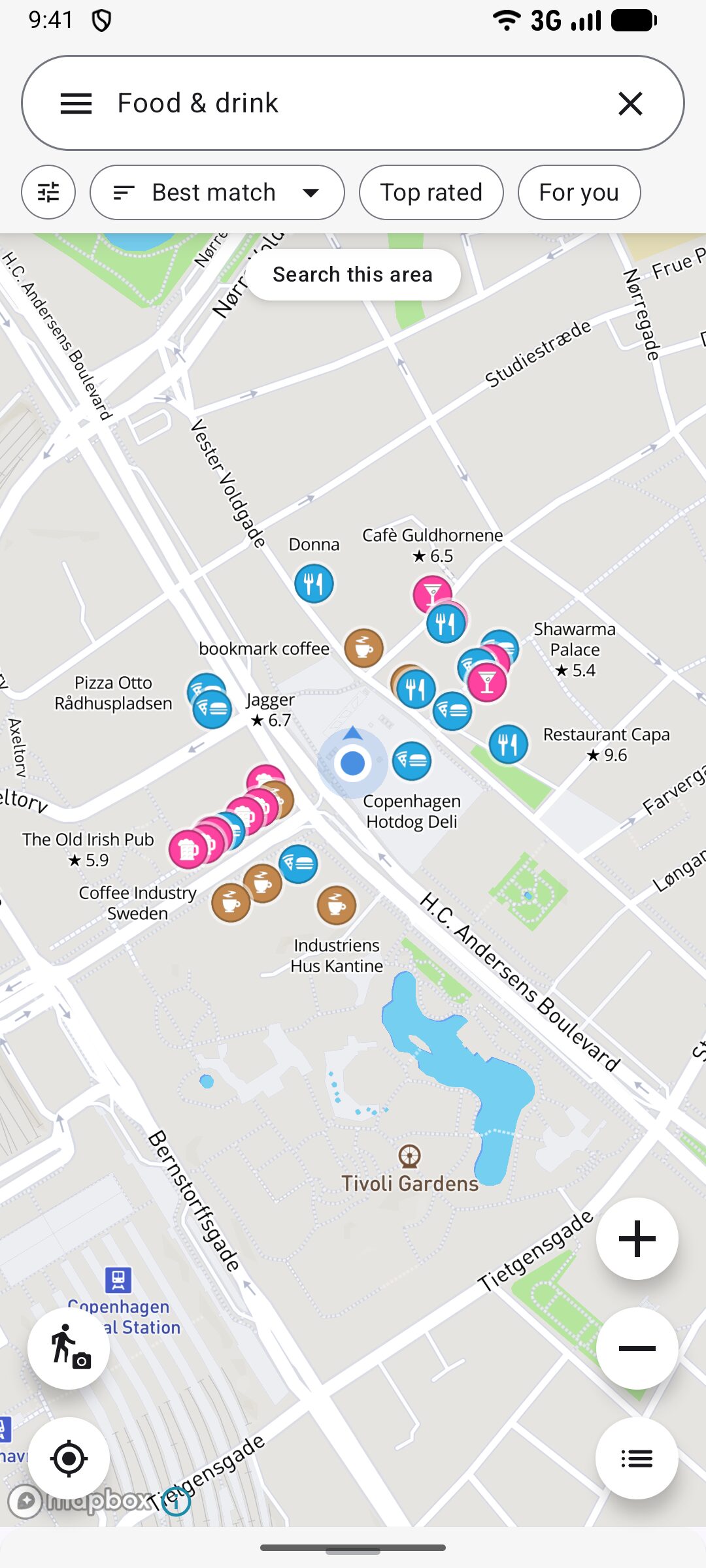
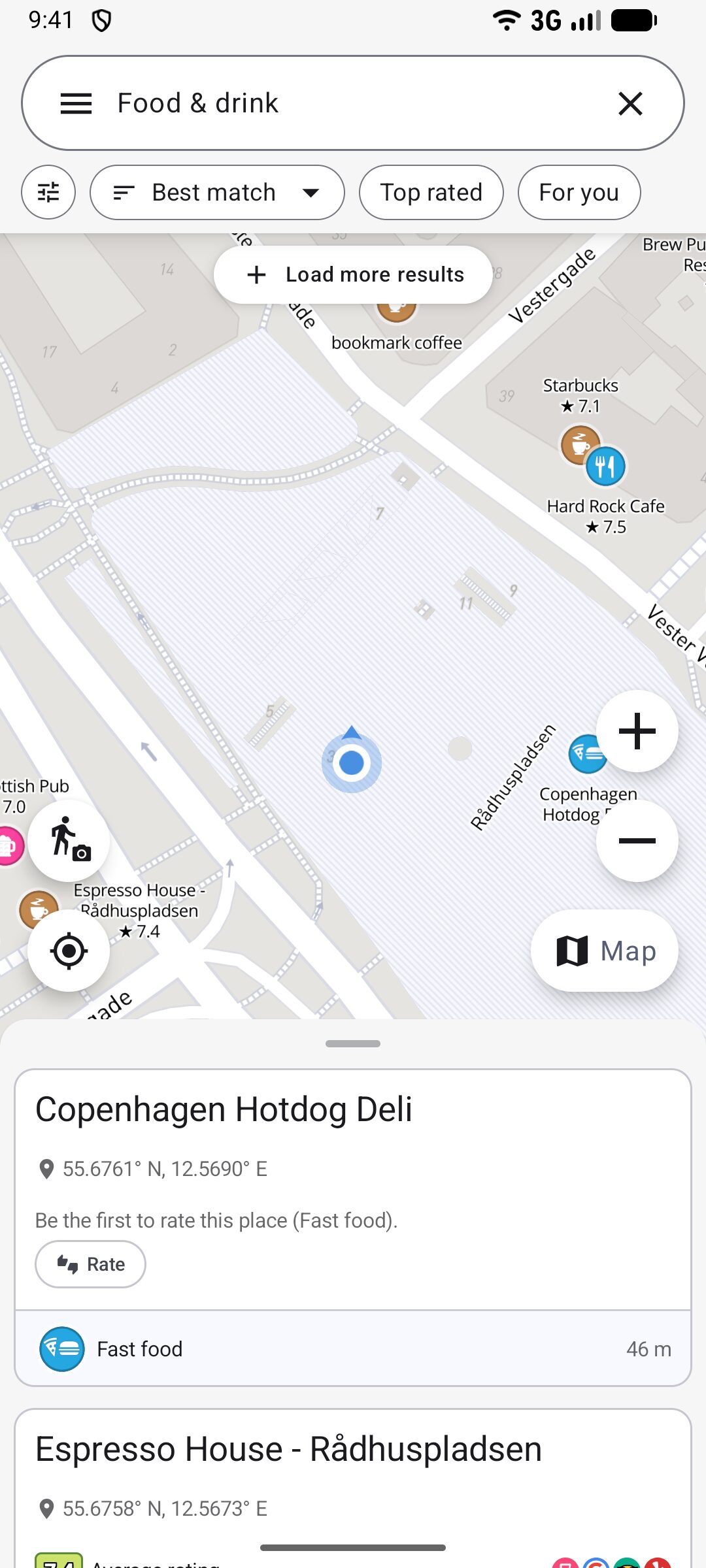
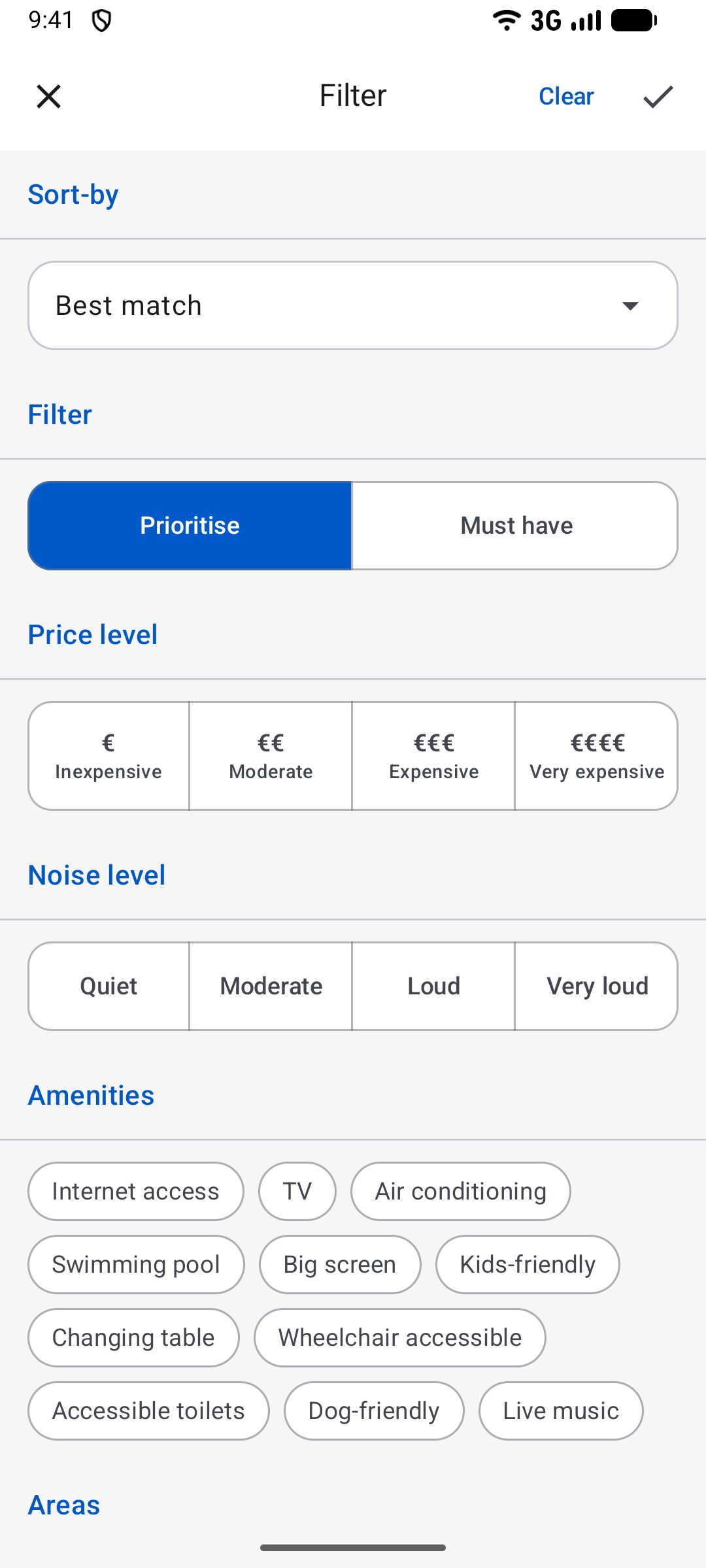
Search by feature, not just category
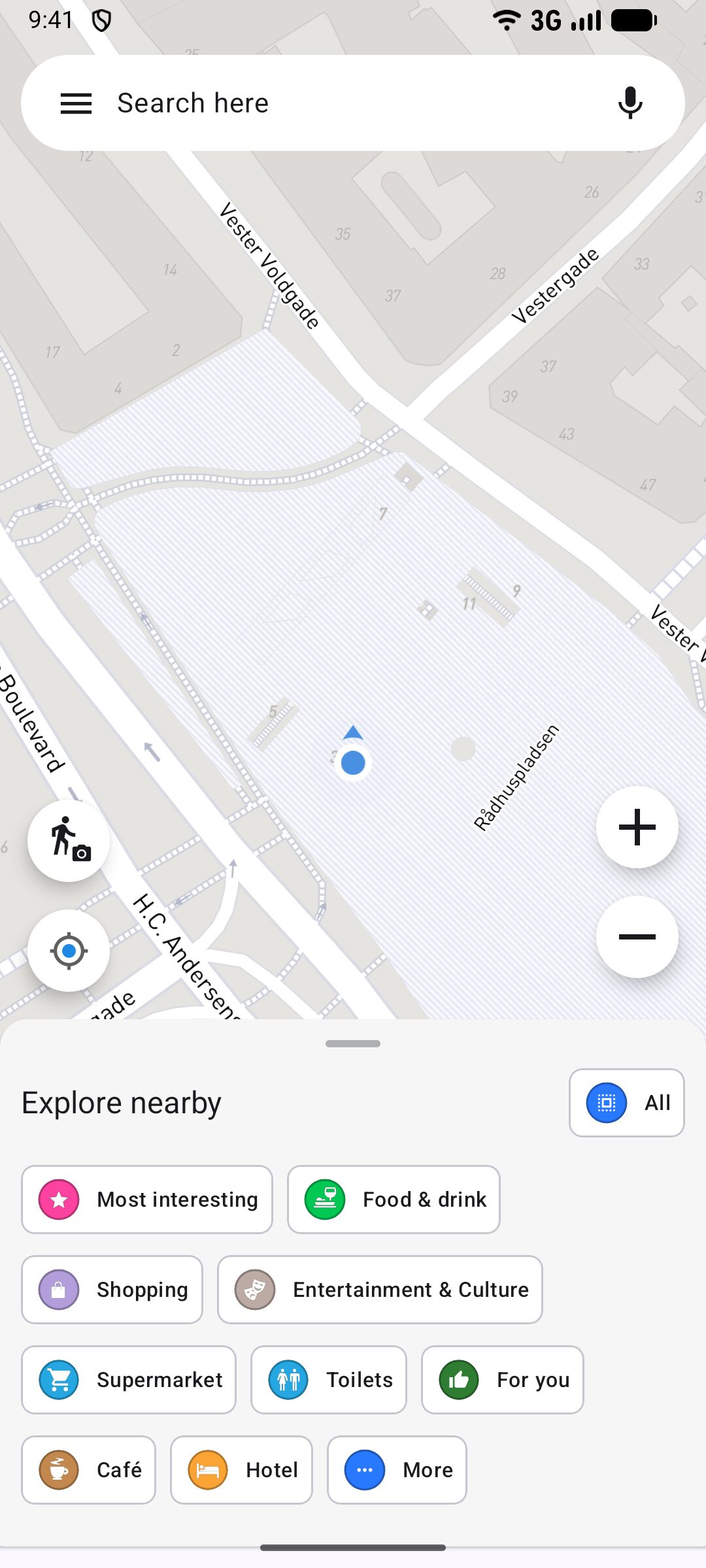
Wi-Fi, outdoor seating, a big screen for the match, a changing table, board games on the shelf. More than 450 categories, and within them you filter by what a place actually has.
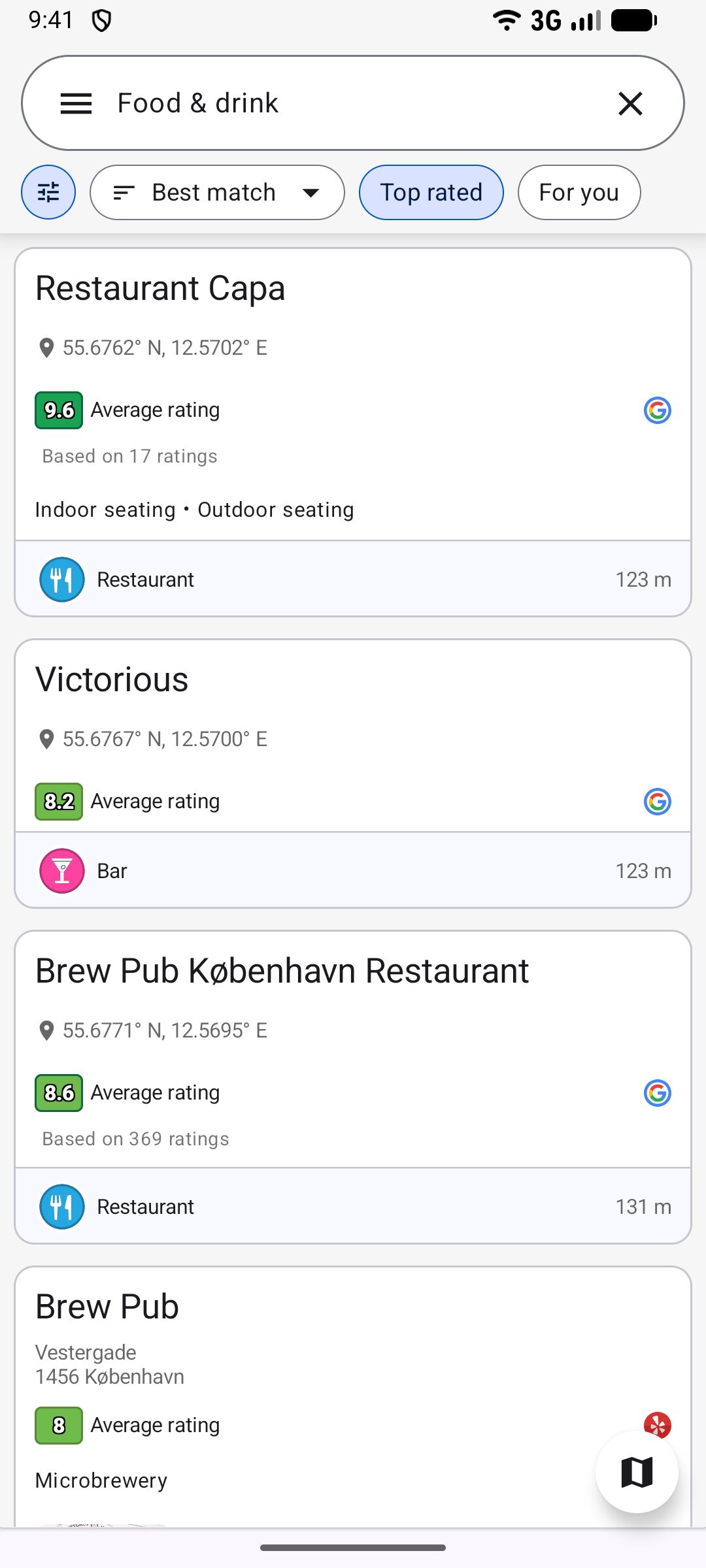
Ratings that answer your real question
Coffee quality, beer selection, noise level, how easy it is to get a seat, whether it works for kids, dates, groups or a morning of work. Sort the list by the one you care about.
Suggestions from your own ratings
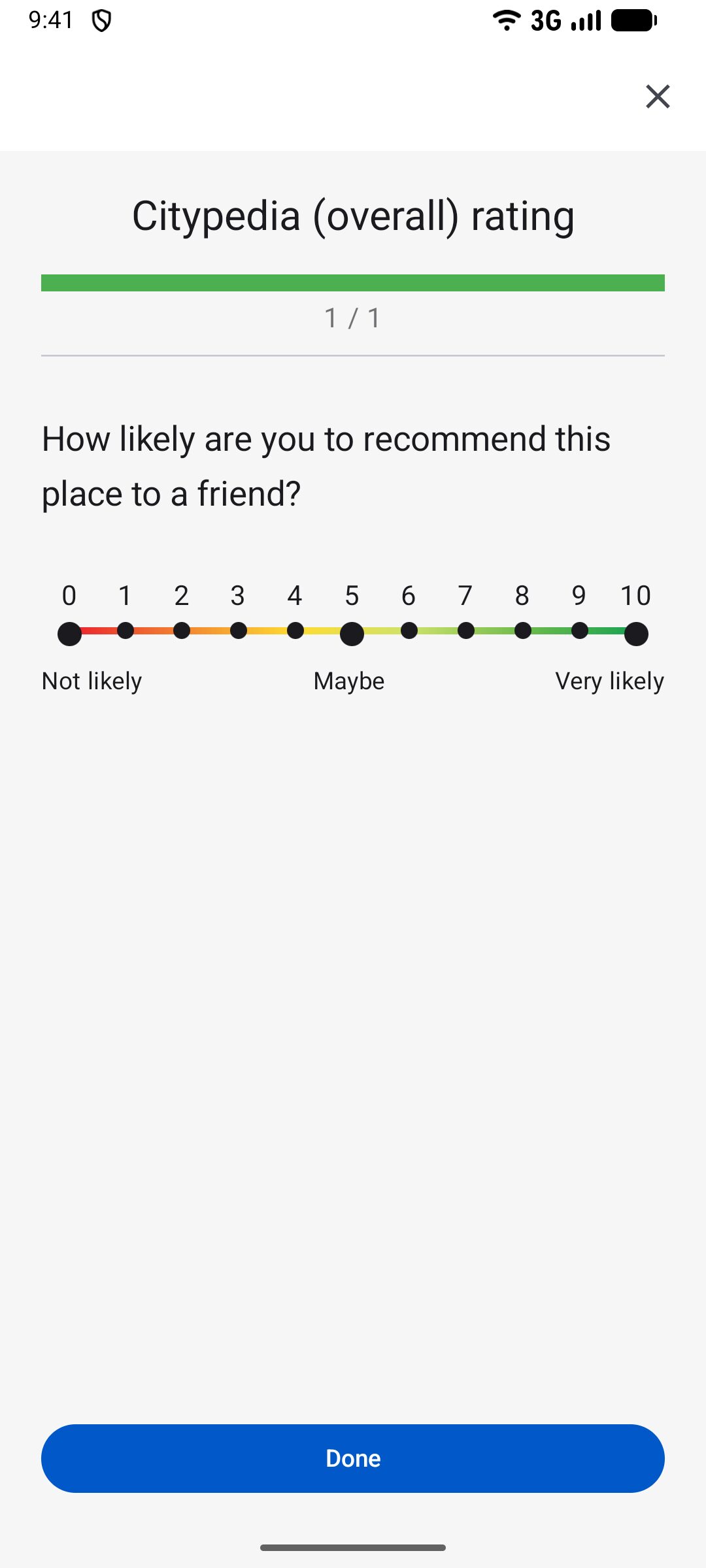
Rate the places you visit, with one tap or in detail, and Citypedia suggests others like them. In some cities, places also show older ratings from other services as a reference.
You can fix the map
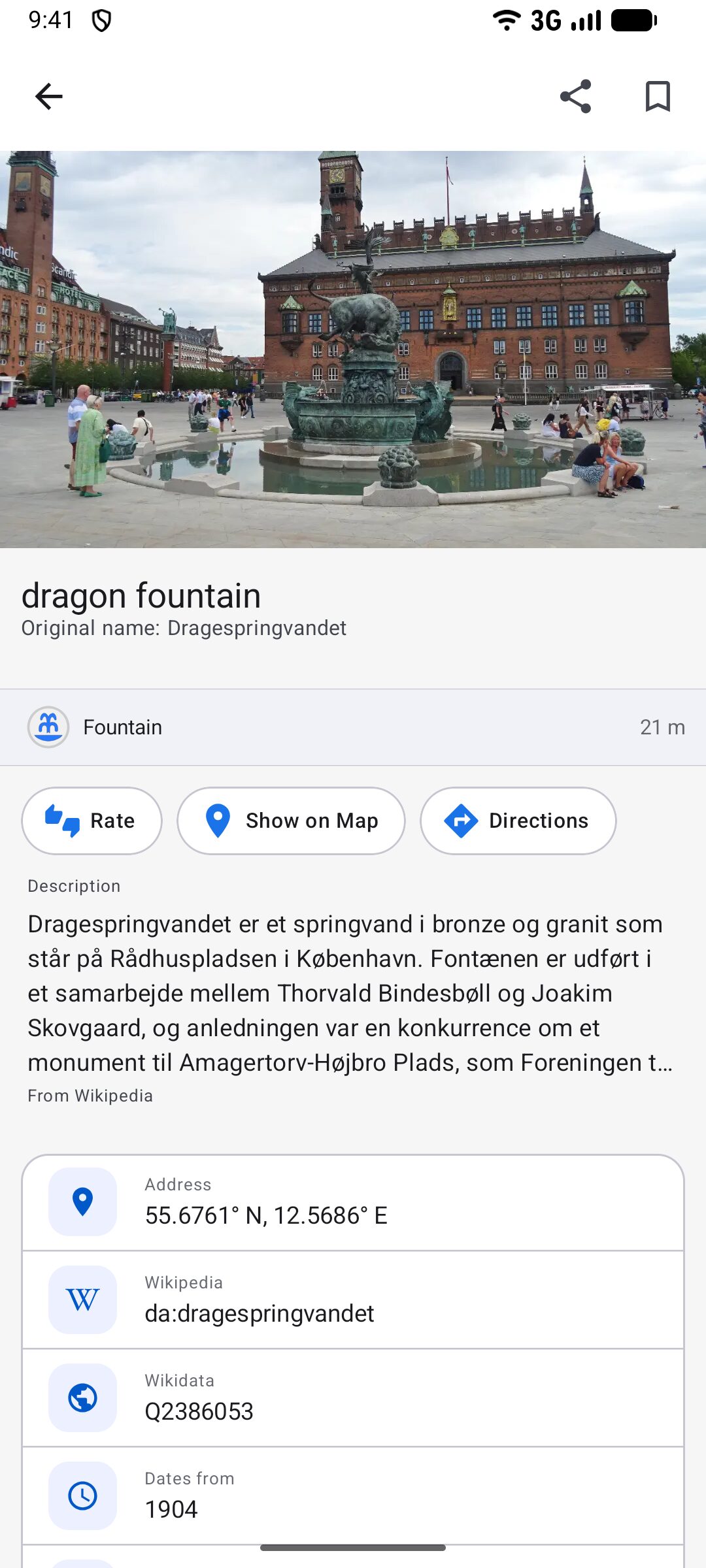
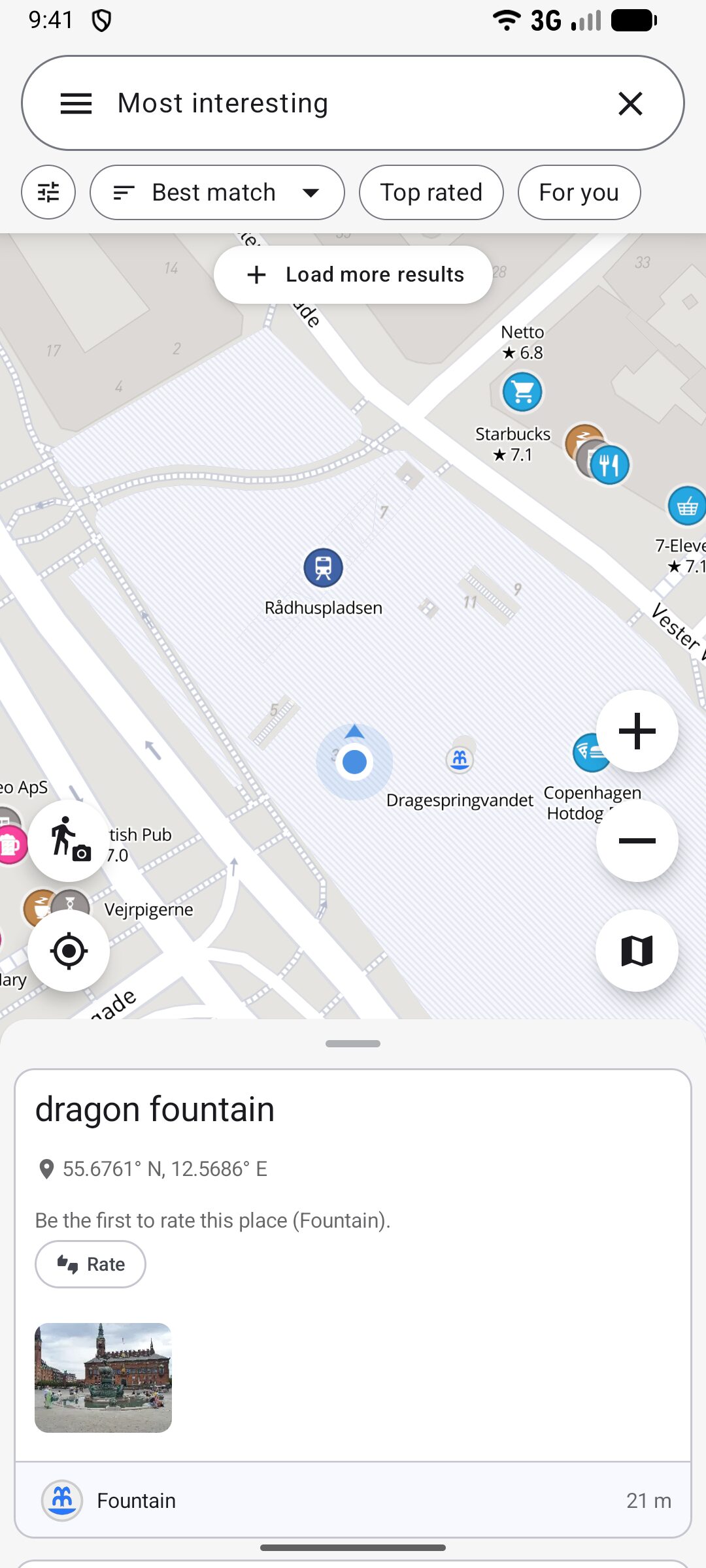
Wrong hours, a missing cafe, no photo? Suggest an edit or add the place yourself. Most of it flows back to OpenStreetMap, so the fix helps everyone, not just you.
How contributing worksAI does the typing
Point it at a place's website or snap the storefront. It reads the category, hours, phone and feature tags, fills the form and marks the values that would change nothing. You approve before anything is sent.
Photo walks
Mark spots with a photo as you walk. Each one gets an AI-written story in your language, and the day becomes a walk you can replay on the map, play as a slideshow or export as GeoJSON.
Read the photo walks guideIndoors, floor by floor
In a mall or a station, pick a level and the map shows only what is on it.
Toilets, properly
Free, paid or customers-only at a glance, whether the door is locked, and how you get in.
Your places
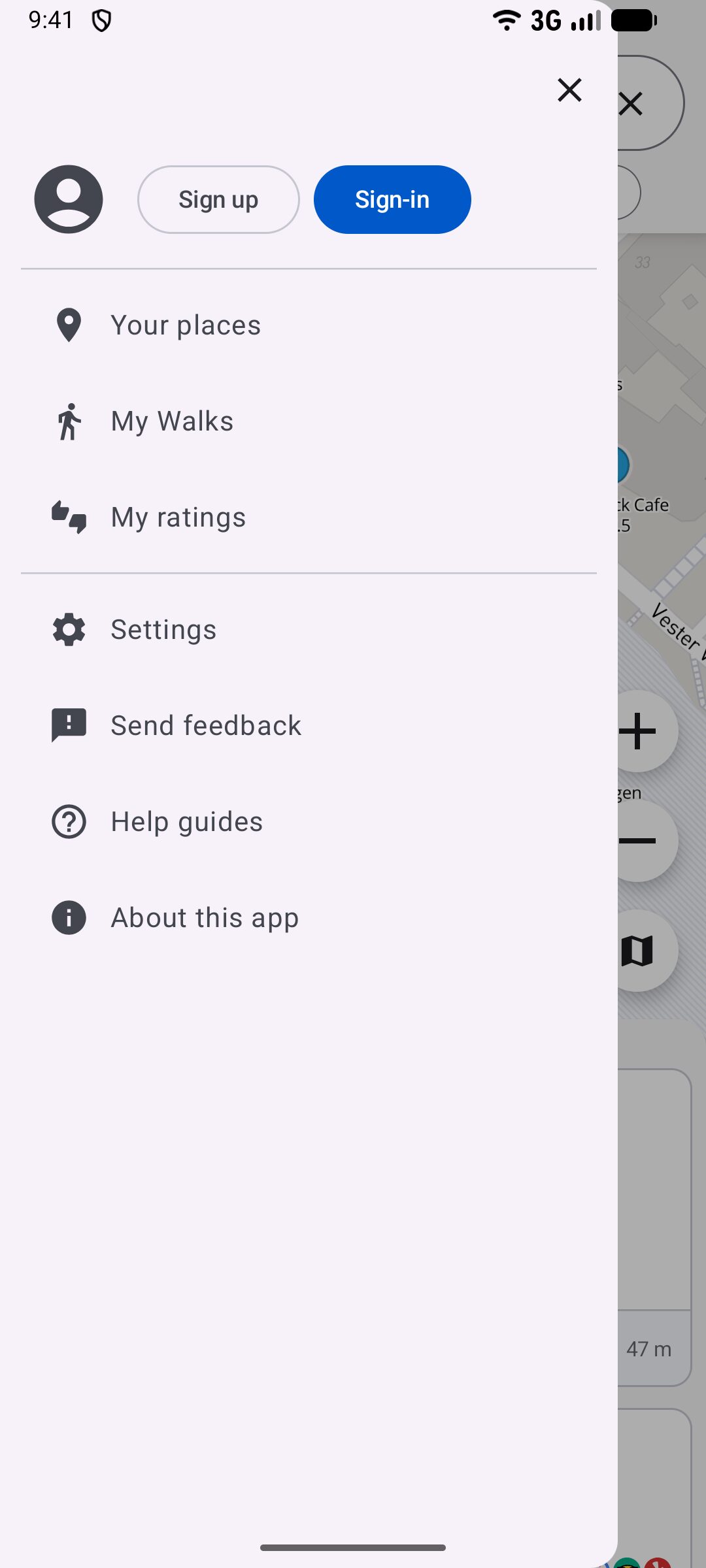
Favourites, Want to go and lists of your own, shown on the map and shareable by link.
Personal, not invasive
No location history, no tracking of where you go, and no battery drained doing it.
See it in motion
Two minutes, start to finish.
One app, every screen
Phone in your pocket, tablet on the table.
Citypedia is one shared codebase, so the map, the ratings and your lists are the same wherever you open it.
iPhone
The full app, built for one hand and a walk across town.
iOS 15 or later
iPad
A proper iPad layout, with the map and the result list side by side.
iPadOS 15 or later
Android phone
Same app, same map, down to phones a good few years old.
Android 7.0 or later
Android tablet
The result list moves into a side panel so the map keeps the room.
Android 7.0 or later
The interface speaks 12 languages — English, Danish, German, Dutch, French, Italian, Norwegian, Portuguese, Spanish, Swedish and Chinese in both simplified and traditional — and place names and descriptions follow the language you pick, not the one on the sign.
Questions
Questions people ask about Citypedia
- Is there an app that finds public toilets near me?
- Yes. Citypedia shows public toilets near you on the map, with whether they are free, paid or for customers only, and whether they are wheelchair accessible. The data comes from OpenStreetMap, so coverage is best where the map is well kept, and you can add a missing toilet yourself.
- How do I find a quiet café with Wi-Fi to work in?
- Search for cafés in Citypedia and filter by Wi-Fi and noise level. You can also sort by ratings such as quietness, or look for places rated as good for working.
- Does Citypedia track my location?
- No. Citypedia uses your location to show what is near you, but it does not store your location history or track where you go.
- Is Citypedia free?
- Yes. Citypedia is free on iPhone, iPad, Android phones and Android tablets. You can search without an account; rating places and suggesting edits need a free account.
- Which cities does Citypedia work in?
- Every city in the world. Places come from OpenStreetMap, so you can search more than 450 categories anywhere; how much detail a place has depends on how well the area is mapped.
- Where does the place information come from?
- From OpenStreetMap, the open map that volunteers keep up to date, plus ratings and edits from Citypedia users. Most edits made in Citypedia go back to OpenStreetMap, so a fix helps everyone who uses the map.
- How is Citypedia different from Google Maps?
- Citypedia is built for choosing a place for a specific need: you filter by what a place has, such as Wi-Fi, outdoor seating, a big screen or its noise level, and sort by ratings like coffee quality, how easy it is to get a seat, or whether it suits kids or a date. It keeps no location history, and the map is open data you can correct.
Free to download. Yours to explore.
Available now on iPhone, iPad and Android — download it free from the App Store or Google Play.